

We learned how to work hard. We learned how to meet deadlines, answer messages, and stay busy. But no one taught us how to design a workday when we work from home.
Remote work is not a temporary trend. Research shows it is here to stay, and its effects on well-being are real and nuanced. According to research published in BMC Public Health, working from home increases flexibility but often blurs the boundaries between work and personal life. When structure is not intentionally created, this shift is associated with higher stress levels and reduced well-being over time.
Home offices replaced offices, cafés replaced meeting rooms and boundaries became optional.
When work happens everywhere, managing work from home becomes a design challenge, not simply a personal choice.
Why Working From Home Often Creates Stress
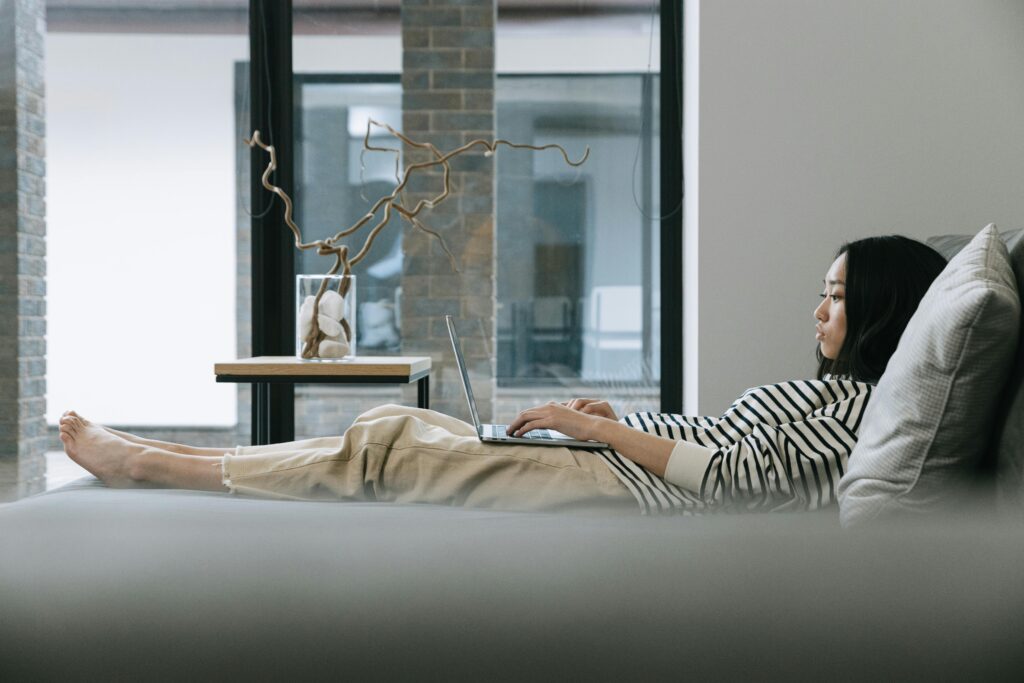
Many work from home days are not difficult because the work itself is too demanding.
They are difficult because structure is missing.
Remote and hybrid work arrangements bring greater flexibility, but research consistently highlights accompanying challenges. Studies published in peer reviewed journals and indexed on ScienceDirect show that constant digital presence, increased cognitive load, and blurred boundaries between work and personal life are strongly linked to higher stress levels and reduced well-being when structure is not intentionally managed.
Messages arrive constantly.
Tasks overlap.
Work never clearly starts, and never clearly ends.
Slack, email, meetings, and to-do lists are each useful on their own. Together, they often create stress in the home office.
Many people respond by pushing harder. More discipline. More productivity tools. But effort alone does not solve a poorly structured remote workday.
How Home Office Setup and Structure Shape Focus
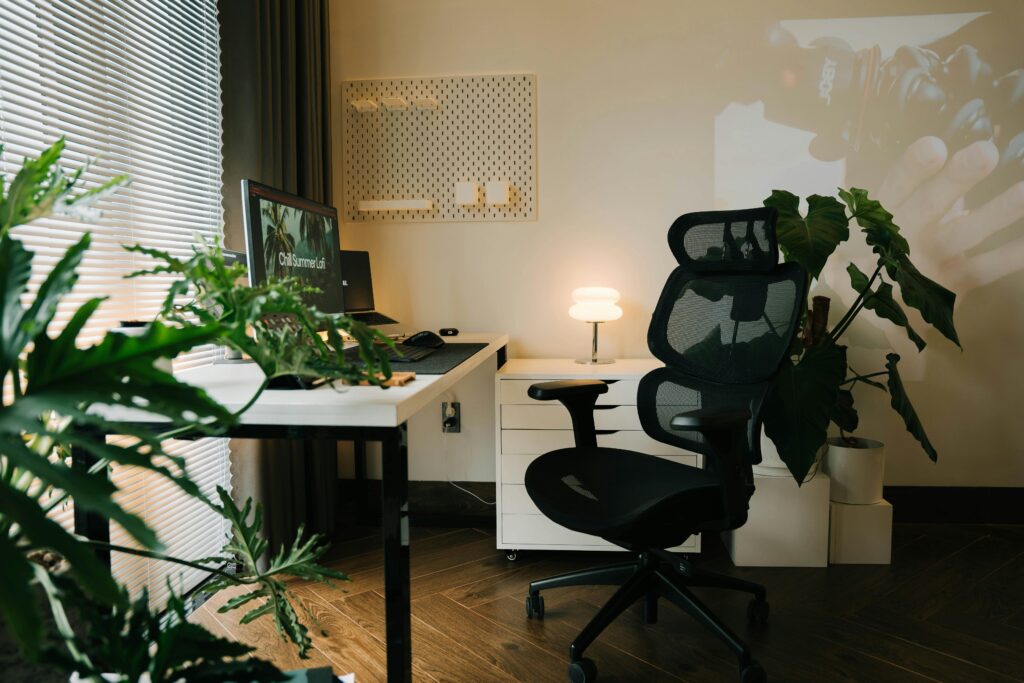
A thoughtful home office setup does not just look good.
It supports how you work.
According to a systematic review published in The European Journal of Public Health, remote work environments that lack clear physical and psychological boundaries are associated with increased stress and lower quality of life. This research highlights how strongly environment and structure influence how work feels on a daily basis.
Structure reduces decisions.
It protects focus.
It creates space for recovery.
When you design your home office intentionally, work feels clearer. Focus lasts longer. Stress feels more manageable. It becomes easier to relax while working from home.
This is not about perfection.
It is about reducing unnecessary friction.
Why Managing Work From Home Requires Design
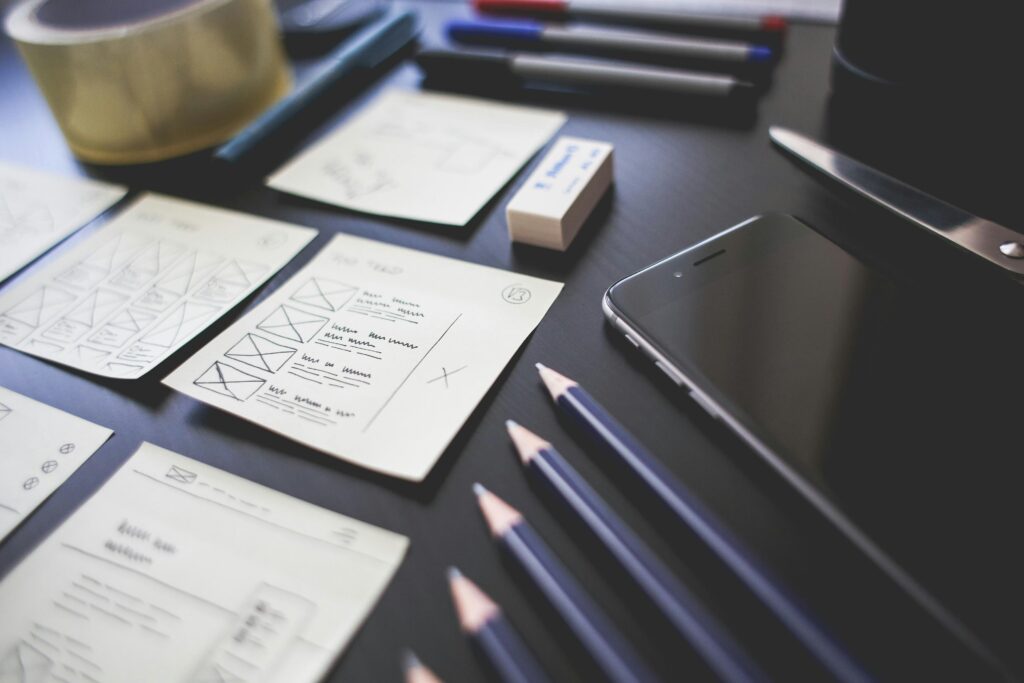
Remote work removed many external structures that once defined when work started and ended. That structure now has to be created intentionally.
Research on remote work and boundary management shows that clearly defined work hours and communication boundaries are strongly linked to better focus and lower stress when working from home. Without intentional boundaries, work often expands into personal time, increasing stress and creating a persistent feeling of never having done enough, as discussed in Psychology Today.
A good remote work structure defines when work starts and ends. It separates focus from communication. It supports energy, not just output.
This is not about doing less work.
It is about doing the right work with intention.
Five Ways to Improve Boundaries When Working From Home
Research consistently shows that small, repeatable boundary practices are more effective than rigid rules in remote work environments.
- Set a clear end of work ritual
- Schedule focus blocks without notifications
- Close the physical workspace at the end of the day
- Define what done means before you start
- Make breaks intentional
You deserve a workday that feels good. One you enjoy, not endure.
If you want to go deeper into how to structure the first 10 minutes of your workday, you can read the full guide here: https://flowdayz.com/how-to-start-your-workday-productively-calm-2026-guide/
Why Flowdayz Exists
Flowdayz exists to explore how people can work in modern environments, whether from a home office, a hybrid setup, or anywhere in the world, in a way that feels sustainable.
We believe calm is not the opposite of ambition. Structure supports creativity. Energy and focus are professional responsibilities. Long term work requires long term thinking.
The best remote structure does not feel rigid.
It feels supportive.
A Calmer Way to Work From Home
Working from home does not have to feel draining.
With the right structure, environment, and boundaries, it is possible to focus deeply, manage stress, relax while working from home, and still perform at a high level.
Designing a calm workday is not indulgent.
It is responsible.
This is what Flowdayz explores.
Across multiple academic studies, one pattern appears consistently. Working from home works best when structure, boundaries, and environment are designed intentionally. Flexibility alone is not enough. Without design, freedom quietly turns into friction.