The blog
Notes on the work from home day.
How to start it, how to break it up, and how to actually stop. One small thing per post, and a named source under every claim.
 How to switch off from work when you work from homeAt home the workday does not end, it fades. You do not need to finish everything to switch off. You need a plan for what is still open, and five minutes to close the day.
 Why working from home makes you so tiredYou did not commute, you barely left the chair, and you are more tired than on an office day. It is not the hours. The home day kept the tiring parts of work and lost the parts that used to recover you.
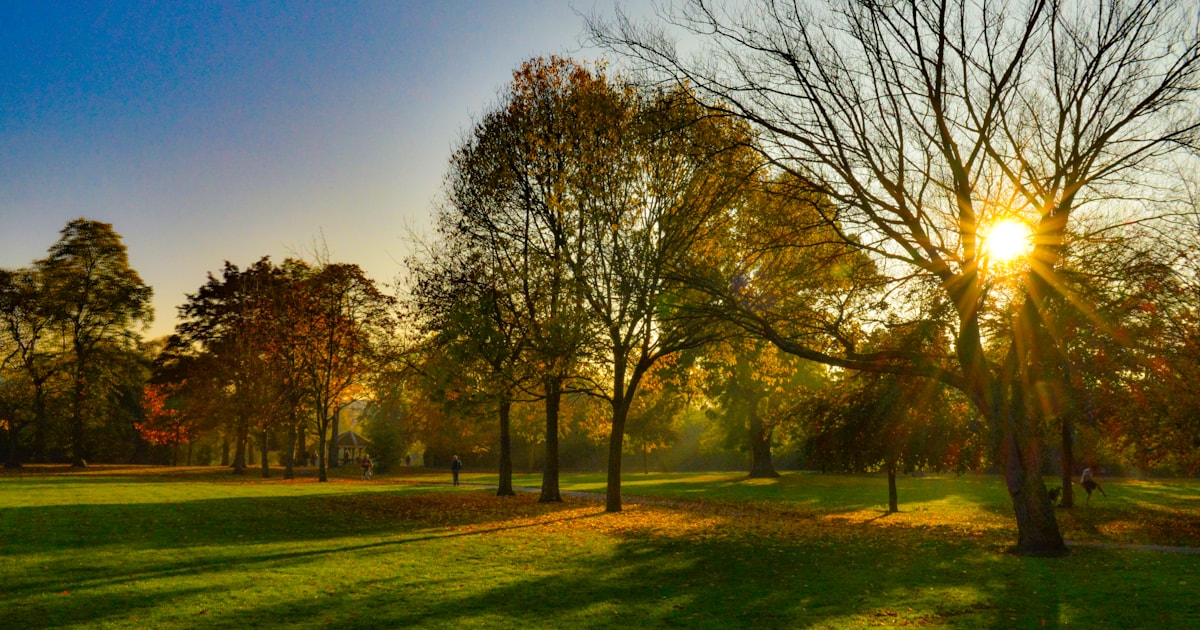 The autumn slump has a timetableThe routine that worked all summer was cued by daylight. Daylight leaves faster in autumn than at any other time of year, and it takes the cue with it.
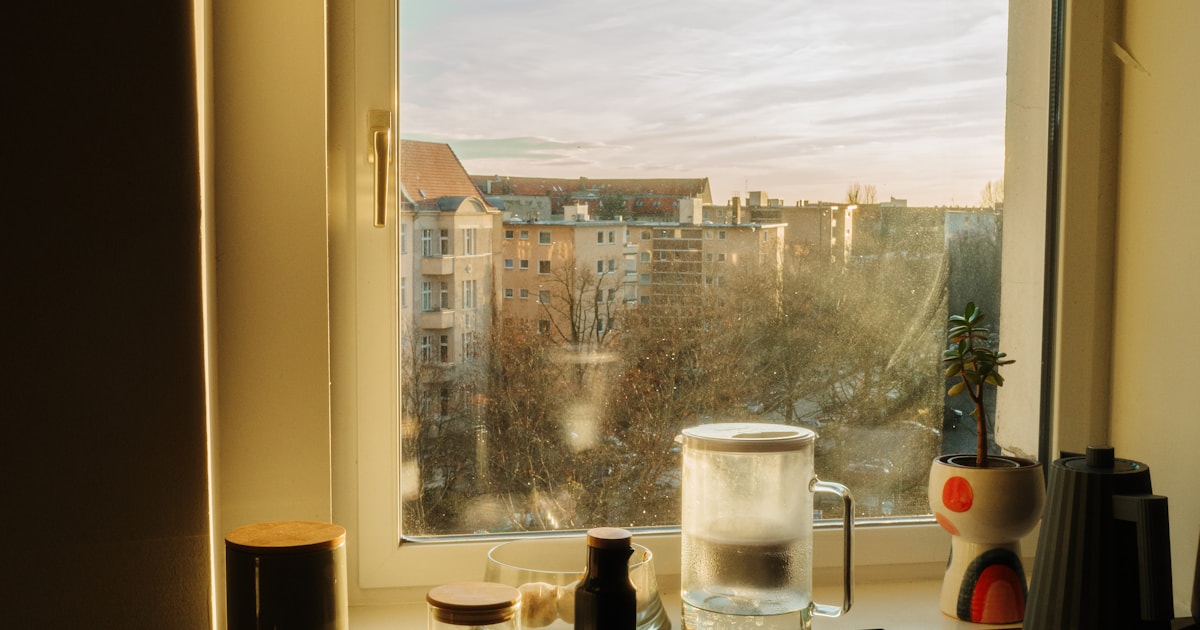 Most of the morning routine is decoration.The twelve-step morning routine is mostly unproven. Two parts of it, daylight and water, have real research behind them. What that leaves you to actually do.
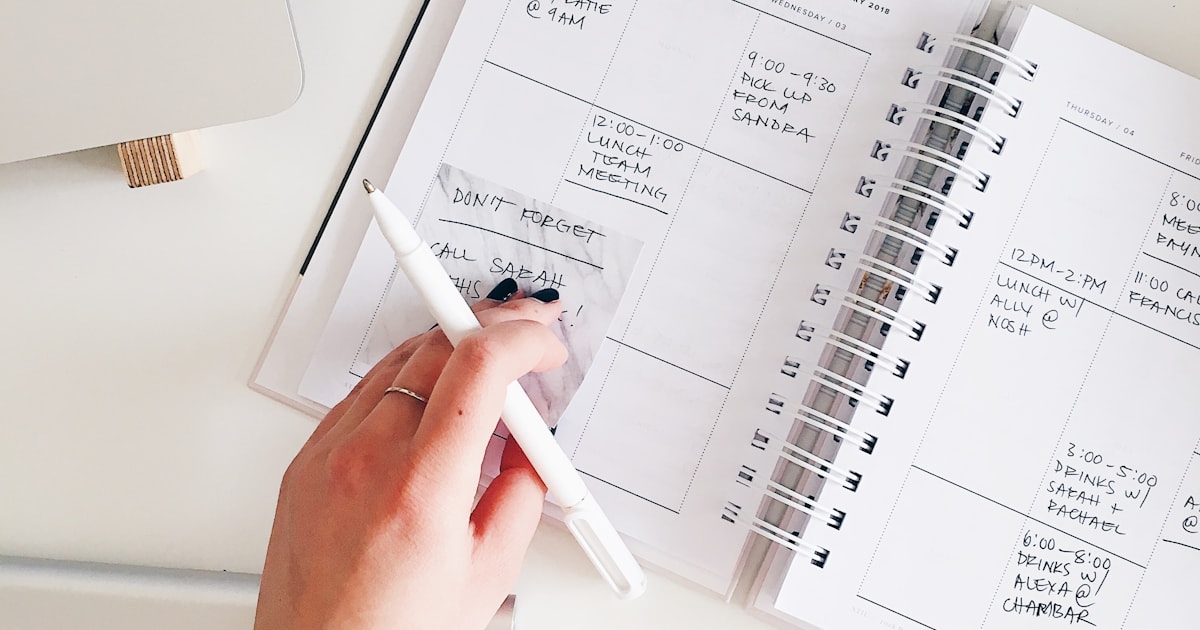 Sunday writes the plan. Wednesday does the work.Weekly plans usually fail from optimism, not laziness. The research on why Sunday overpromises, and what a plan built to survive Wednesday looks like instead.
 Nothing runs out by the eveningThe idea that willpower drains over the day was tested on 2,141 people across 23 labs. It barely held up. What changes by evening is smaller, and easier to fix.
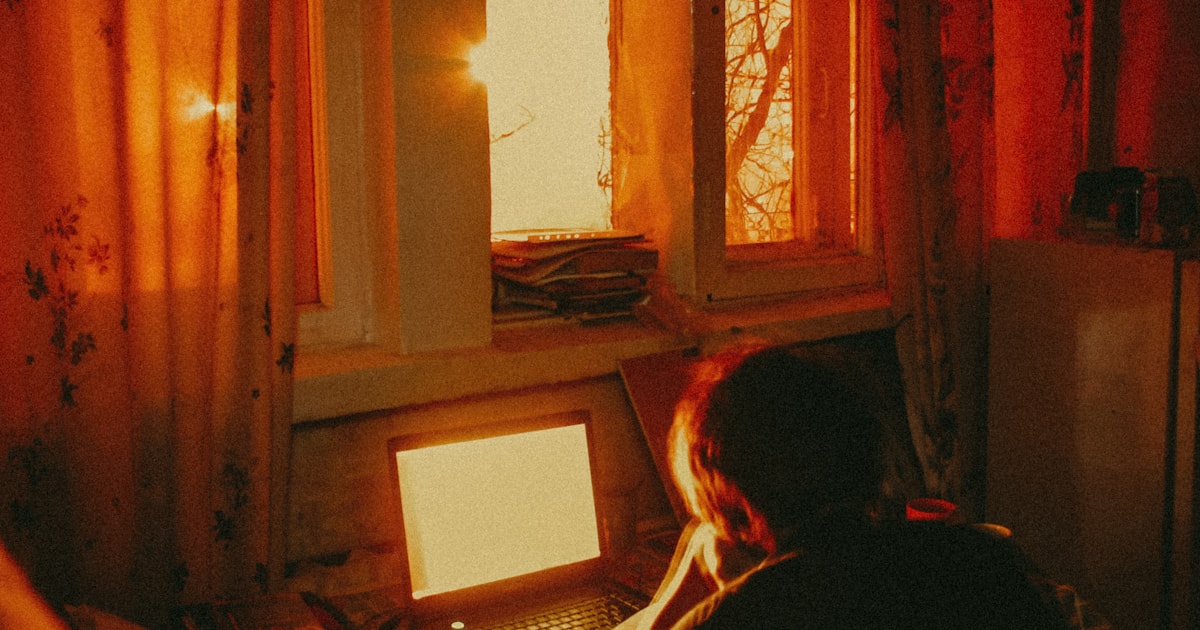 The loneliness of working from home is not about friendsYou have not lost anyone. You have lost the incidental contact a working day used to include, and the usual advice asks for energy that being lonely takes away.
 Your to do list is not a planFeeling behind is almost never a discipline problem. It is an arithmetic one, and the arithmetic is not hard once somebody actually does it.
One small thing a week.
A short email with one idea for your workday at home, and how sure the science is. No noise. Leave any time.