2 September 2026 · 6 min read
You will keep the one you enjoy
September is the other resolution season, and the list gets picked from the wrong column. Usefulness predicts what you start. Enjoyment predicts what you keep.
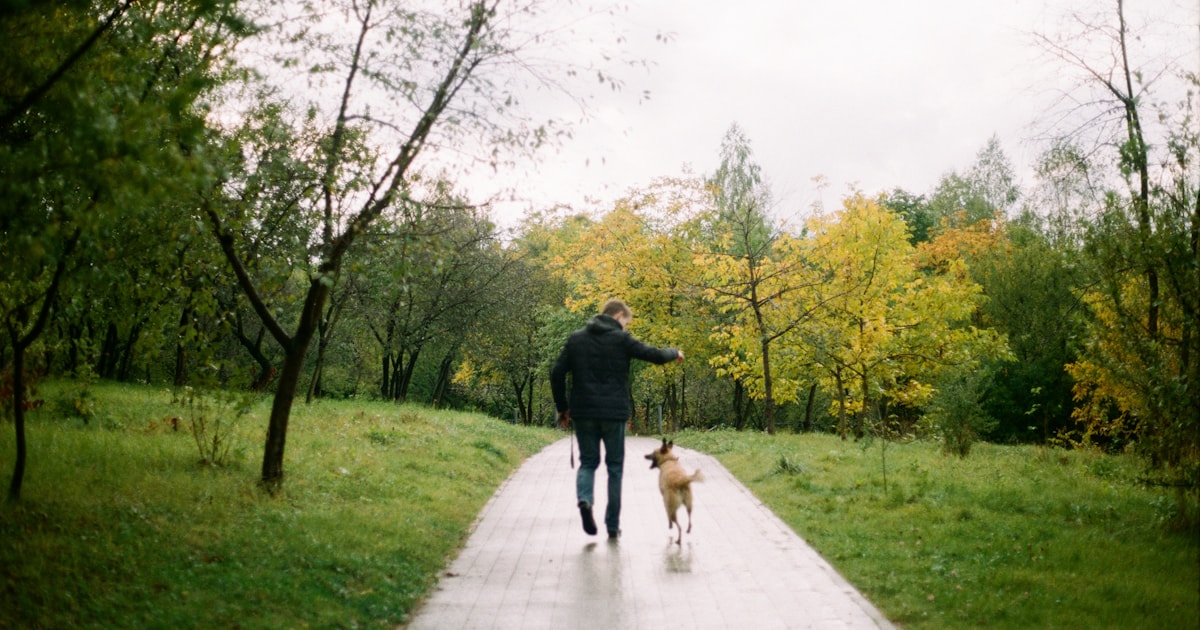
The list got written at some point in the last week, probably on a phone, probably in the evening.
Three or four things, all of them reasonable. The walk. The reading before bed instead of the scroll. The proper lunch rather than whatever is nearest. Nothing extravagant, nothing that needs a subscription, all of it obviously good for you.
That last part is the problem, and it is the only part you were thinking about when you wrote it.
Every item on the list was chosen for how sensible it sounds
September is the other January. The holidays are over, the calendar looks like a calendar again, and there is a genuine appetite to use it properly. Roughly the whole country writes some version of this list in the first fortnight of the month.
And the way people choose is remarkably consistent. You run each candidate past a single test, which is whether it is worth doing. Useful. Important. Good for you. The ones that pass go on the list.
That test is not wrong. It is just answering a different question from the one you actually needed answered, which is what you will still be doing in October.
Two rewards, and only one of them predicts what you do
Anything you might take up offers you two different things, on two different clocks.
The delayed reward is why it is on the list. You will be fitter, calmer, better read, less tired. It arrives in months and it is the part that sounds serious.
The immediate reward is what the thing is like while it is happening. Whether it is enjoyable. Whether you are absorbed by it. Whether the twenty minutes go quickly. It arrives now and it sounds, next to the other one, faintly trivial.
Kaitlin Woolley and Ayelet Fishbach ran five studies to find out which one actually predicts persistence, published in Personality and Social Psychology Bulletin in 2017. Their finding is that the presence of immediate rewards is a stronger predictor of persistence in goal-related activities than the presence of delayed rewards.
Study 1 went straight at resolutions. Immediate rewards, meaning enjoyment, predicted current persistence at New Year's resolutions. Delayed rewards did not. The same held for studying and exercising, which people report doing primarily for the delayed payoff, and it held over both a one week and a three month window, and whether the reward was one people expected or one they had already had.
In their own words, delayed rewards may motivate goal setting and the intentions to pursue long-term goals, while a meta-analysis of their studies finds immediate rewards more strongly associated with actual persistence. Put less carefully:
Usefulness decides what goes on the list. Enjoyment decides what is still on it in October.
Three limits, because they matter. Usefulness is not inert: pooled across all five studies it did predict persistence, it simply never reached significance inside any individual one. These were students, gym members, museum visitors and people who had set a resolution, not a representative sample of anybody's September. And nothing was manipulated. The authors measured how enjoyable and how important people found a thing, then measured what those people did, which makes this a pattern rather than a proven cause. The direction is well evidenced. The exact size of it in your life is not.
The part that makes it hard to fix on your own
There is a further result in that first study, and it is the uncomfortable one.
People's current pursuit was predicted only by immediate rewards. But when asked what would keep them going in future, they expected both to matter.
So the error is not that you do not know enjoyment is nice. It is that you cannot feel it doing the work. Sitting on the sofa in early September, the useful thing and the enjoyable thing look about equally likely to survive, and one of them is not.
Which is why the list gets written the way it does every single year, by people who have watched the previous version of it fail, and who reasonably conclude the failure was theirs.
It was a selection error. It happened before you did anything at all.
Three ways to choose differently
Run the second test. For each thing on the list, ask whether you would still do it if it did nothing for you. Not whether you should. Whether you would. What survives that question is what was going to happen anyway.
Break ties on the experience, not the efficiency. If two versions are roughly as good for you, take the better one to be inside of. The longer walk that goes past the water rather than the shorter one that does not. The swim you like over the run you tolerate. You are not choosing a worse option, you are choosing the one that will still exist in three months, which makes it the better option by a distance.
If it has to be the dull thing, put something immediate into it. This is the authors' own repair, and their example is listening to music while exercising. Not a trick, and not a reward afterwards, which is just another delayed payoff. Something that changes what the twenty minutes are actually like.
None of this is an argument for doing only what is fun. It is an argument that the enjoyable part is load bearing, and that leaving it to chance is how a sensible list becomes a disappointment by half term.
There is a version of this that goes wrong, and it is worth naming. Learning what makes you feel good is not the same as building your week around the day you are at your best, which reliably fails. Learn from the good day. Size the plan to the ordinary one.
What this is actually for
Flowdayz is a feel good app. You learn about yourself, what actually makes you feel good and what gets you into flow, and it is usually the smallest things. A walk before the calls. The shoes by the door. The glass of water that no serious person believes is the answer and which keeps turning out to be involved.
So it offers a lot of small possible things, then notices which ones you kept and which ones you said felt good, and makes the plan smaller around those rather than longer. Not because small is humble. Because the feeling is the mechanism, and the only way to find yours is to try a few and pay attention. That is what /start is for.
The autumn version of this has a second problem stacked on top, which is that the cues holding a summer routine together quietly leave in September. Worth knowing, if the list has already stopped once this year.
The walk you look forward to will still be happening in October.
The one you put on the list because it was sensible will not, and it never was going to, and that was decided the evening you wrote it down.
Questions people actually ask
- Why do I stop doing things that are good for me?
- Because good for you is a delayed reward, and delayed rewards are better at getting you to start than to continue. Woolley and Fishbach found across five studies that immediate rewards, meaning whether the thing is enjoyable and engaging while you do it, predicted persistence, and delayed rewards did not do so in any single study. Nothing about that is a discipline problem.
- How do I pick a routine that actually lasts?
- Pick the version you would do anyway. Not the most effective walk, the one you look forward to. Not the optimal workout, the one you would still choose if it burned nothing. If two options are roughly as good for you, the tiebreaker is which is better to be inside of, because that is the one that will still be happening in three months.
- What if the thing I need to do is genuinely not enjoyable?
- Then bring an immediate reward into it rather than relying on the importance to carry you. That is the authors' own suggestion, and their example is listening to music while exercising. The point is not to trick yourself. It is that the enjoyable part is doing real work, so it is worth deliberately putting some there rather than leaving it to chance.
- Does this mean discipline does not matter?
- It means less of the load is on it than you think. The authors' own reading of their results is that people can bypass some of the need to exert self control, to the extent that the activity itself provides something immediate. Discipline gets you through a bad week. It is a poor plan for a year, because it is the resource you have least of on exactly the days you need it most.
- Why does September feel like January again?
- Because it is the other reset in the year, and it comes with the same trap. The list gets written in the same spirit, from the same column, chosen for how sensible each item sounds. Autumn adds its own problem on top, which is that the cues that carried a summer routine quietly disappear, so the plan and the prompts fail at the same time.
Keep reading
The autumn slump has a timetable
The routine that worked all summer was cued by daylight. Daylight leaves faster in autumn than at any other time of year, and it takes the cue with it.
Read itThe September reset fails for the same reason January does
Your routine did not break over summer. It ended, and something else ran in its place. That distinction changes what you should do about it in September.
Read it
- habits
- routines
- motivation
- seasons
Make every day your best day.
Flowdayz is a feel good app. You learn what actually makes you feel good, usually the smallest things, and get there every day, around the life you already have.